

Documentary production in London
Documentaries for NGOs, heritage trusts and brands. Run from our London HQ, filmed wherever the story is.


- For
- International NGOs, charities and foundations · heritage trusts and cultural institutions · broadcasters · brands
- Formats
- Documentary series, long-form and broadcast documentaries, festival films, documentaries brands pay for
- Filmed
- London · Uganda, Portugal, the French Alps and the moors of the South West
- Recognition
- Overall Winner, Edinburgh Conservation Film Festival 2026 · Regional Panorama Award, CineEco 2024 · BBC · Top Documentary Production Company, London, Clutch 2026
- London HQ
- 124 City Road, London EC1V 2NX
- From
- £9,500
A documentary studio in London
We’re Here Now Films, a London video production company built on documentary. Our documentary production in London is for organisations that need a film to make an impact: international NGOs and foundations, heritage trusts and cultural institutions, broadcasters, and brands with a story that stands up on its own. Every film is run from our London HQ, and the crew goes wherever the story is: five landscapes in Uganda, a photographer’s home, a care home in Fulham, a year on four moors.
We started in 2016 making short documentaries for charities, and they’re still the work we’d defend first. One we began on our own, following the explorer Robin Hanbury-Tenison, was picked up by the BBC. We invest studio time, pro bono, in special projects whose stories need telling, and we offer charity rates.
17
Airings on BBC News
Survival: To the Brink & Back, December 2020 to January 2021.
5
Landscapes, one shoot
Three weeks across Uganda for EcoTrust’s 25th year.
20
Films for KYN
Five commissions for a London care group, 2024 to present.
Who commissions our documentaries
Different audiences, the same way of working: real people, real places, and nothing on screen that isn’t true.
International NGOs, charities and foundations
A film that works in front of a funder
One film usually has several jobs: open the conference, sit on the appeal page, go to the board, and still be useful in three years. So we plan the cuts before the shoot, settle consent before the camera comes out, and make the difficult part clear without making it small, whether that’s carbon credits in Uganda or peat on Dartmoor.
EcoTrust · South West Peatland Partnership · The Woodland Trust · URZE and C Level · Buglife · The Wildlife Trusts
Heritage, culture and brands
A film for a room that knows the subject
Cultural institutions and heritage organisations show their films to people who know the subject better than we do: photographers, members, visitors who’ve been coming for years. The film has to earn that room. Brands get the same test: if the people in it would tell the same story with the brand out of the room, it’s a documentary. If they wouldn’t, it’s an advert, and we’ll say so before you spend the money.
Sony World Photography Awards · Tate · The Lost Gardens of Heligan · KYN · the BBC · Panasonic · JA Brooks
Documentaries for NGOs and foundations
Most NGO films have to raise money, explain the work and survive scrutiny, often in the same ten minutes.
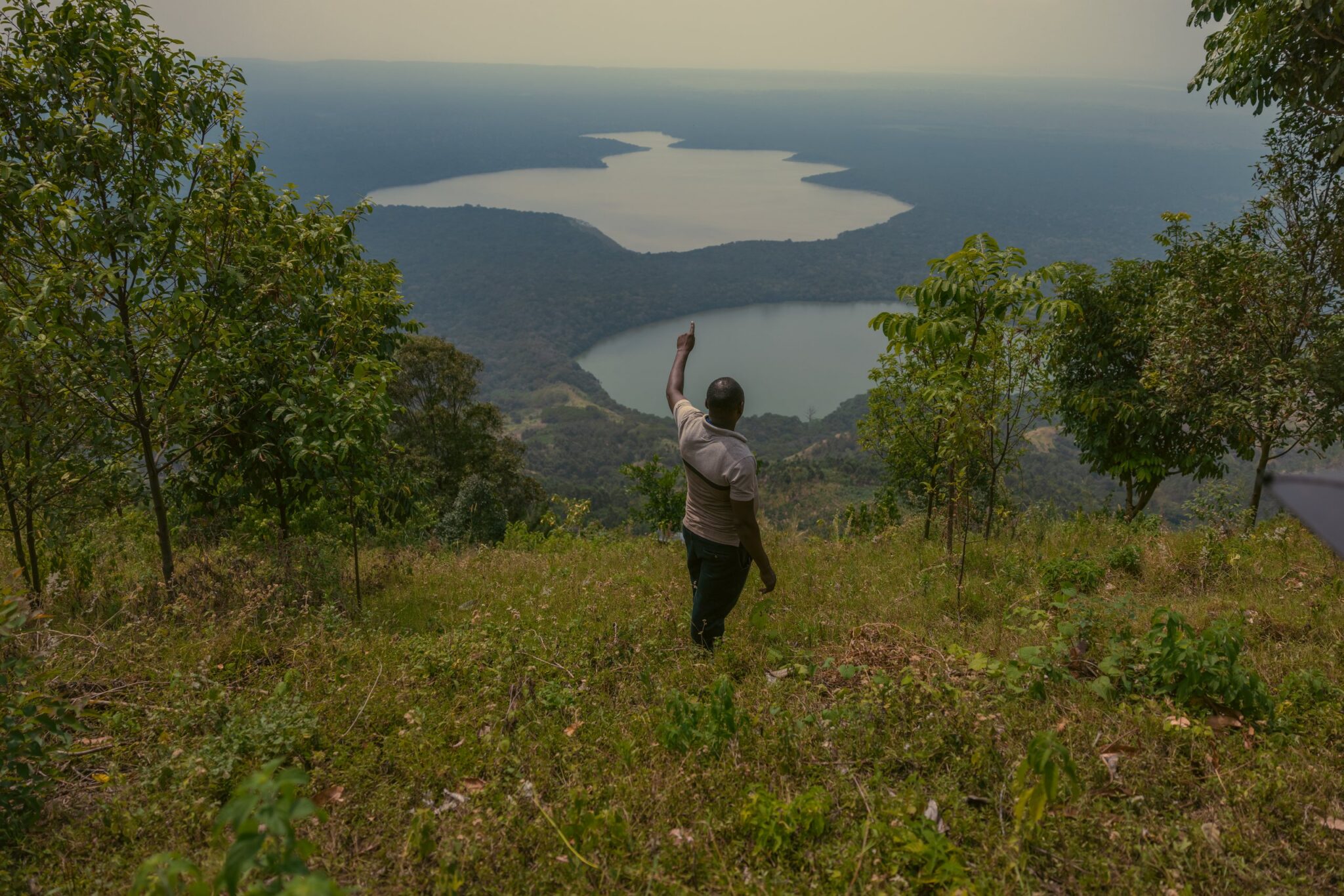

Carrying firewood · Uganda, 2025

Coffee cherries · Uganda, 2025
Lead film
EcoTrust, 25 years in Uganda
Documentary series · a hero film, three programme films, a long-form documentary and a social layer · Uganda, 2025
EcoTrust, the Environmental Conservation Trust of Uganda, had a quarter of a century of results and no film that told them. The subject was hard: carbon finance, with credits paid before the trees mature and the money shared with smallholders. The job was to make it clear without making it small, and to keep the farmers at the centre rather than the mechanism.
We filmed for three weeks across five landscapes, then cut, reviewed and refined the films with EcoTrust over the following year. One of the programme films grew into a six-film series for IIED across Uganda and Zambia.

Documentary · four South West moors
The Living Layer
A year with the South West Peatland Partnership and the 22 organisations restoring peat on Dartmoor, Exmoor, Bodmin Moor and West Penwith, filmed in the only months the work can happen, at temperatures down to minus 14. Overall Winner, Edinburgh Conservation Film Festival 2026.

Documentary · Portugal
The Bio Estrela Project
Two weeks in Portugal’s Serra da Estrela after the 2022 fire, with URZE, the small charity replanting native, fire-resistant trees, for the nature recovery consultancy C Level. The film was made to raise money, and the project has since received its early-stage funding. Regional Panorama Award, CineEco 2024.
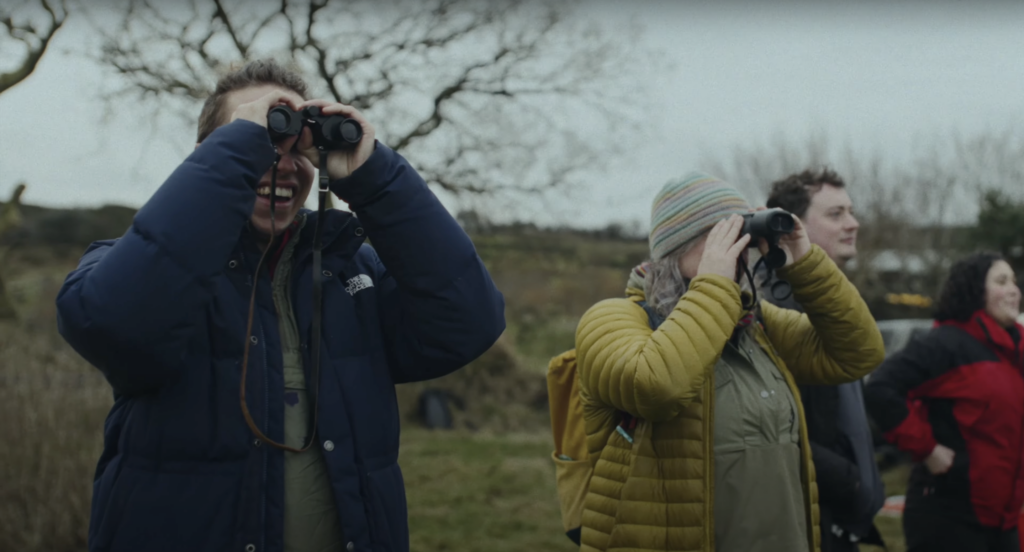
Short documentary · Cornwall and Devon
Sky Seeding
The Woodland Trust’s first drone-seeding trials: more than 75,000 native seeds in a week, and the day half of them jammed in the hopper, which stayed in the film. It now tours with the Trust’s Rainforest Recovery programme.

Broadcast documentary · BBC
Survival: To the Brink & Back
Robin Hanbury-Tenison, who founded Survival International, nearly died of Covid, then climbed Brown Willy, Cornwall’s highest hill, to raise money for the Royal Cornwall Hospital’s healing garden. We started filming on our own. The BBC commissioned the film, and BBC News aired it 17 times.
In the works · out soon
SATO
A long-form documentary for SATO, which makes low-cost toilets for communities without safe sanitation, on how business can help solve the global sanitation crisis, filmed in Kenya, India and the US.
For heritage, culture and brands
Films for institutions whose audiences know the subject better than we do, and for brands with a story that stands up on its own.

Lead film
Joel Meyerowitz, for the Sony World Photography Awards
Documentary · premiered in London, 16 April 2026
Each year the Sony World Photography Awards give one photographer their Outstanding Contribution award. In 2026 it went to Joel Meyerowitz, who started shooting in colour in 1962, when the art world still thought colour beneath it, and we made the film that introduced him to the room.
Meg Amos spent a day with Joel and his wife, the writer Maggie Barrett, at home, and Alexander Webb cut the film around Joel’s voice rather than his CV. It opened the ceremony in London, the night before his retrospective opened at Somerset House. Joel wrote to Meg afterwards: “A real treasure. A special day.”

Ruth Goodman, historian · KYN Hurlingham

Adam Ellis · Meet the Makers
London series
KYN, a London series
Twenty films in five commissions · KYN Hurlingham, Fulham, and KYN Bickley · 2024 to present
KYN’s first brief was one day at KYN Hurlingham while the building was still being finished: the historian Ruth Goodman on the Grade II building on Daisy Lane, a school and a youth club long before it was a care home. It was the first of twenty films for KYN, all short: the designers and makers behind the homes, residents’ families and the carers they know best, and the teams who work there.
KYN chose and briefed every family, and we never approached a resident ourselves. It’s the consent rule we work to on any documentary with people at its centre.
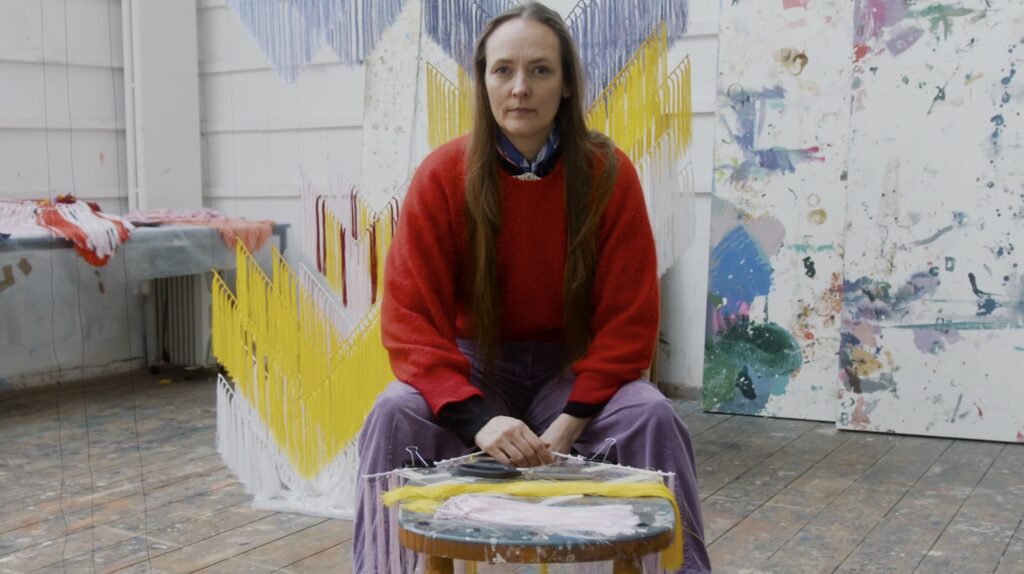
Artist profiles · Tate
Tate
An artist-profile series: Outi Pieski before her first major UK show, Ro Robertson over two days for Tate St Ives, and an exhibition film on Barbara Hepworth that went out to Tate members worldwide.

Documentary · Cornwall
The Lost Gardens of Heligan
Twelve months on Heligan’s farm as it brings its soil back to life. Visitors watch it in a room set aside for it in the gardens, and Good Fest selected it.

Adventure documentary · the French Alps
Turner Twins × Panasonic
Hugo and Ross Turner put an electric motor on a paraglider to see how high it would go, and set the altitude record for an electric paramotor. The trailers ran on the twins’ channels and on Waterbear’s streaming platform.
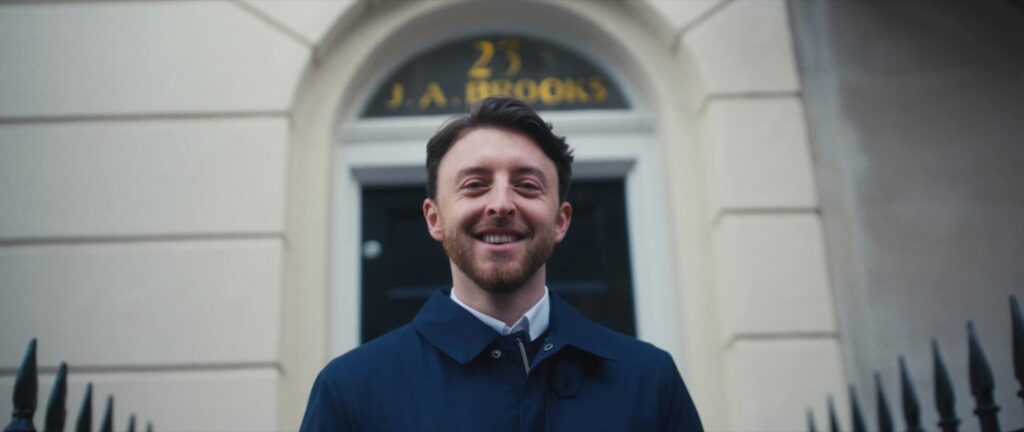
Centenary film · London
JA Brooks, 100 Years of Trust
A London mechanical services firm’s hundredth year, told by the people who do the work, on its sites and on the Underground. It premiered on the big screen at the centenary party, and at two minutes it counts as a micro-documentary.

On the Underground · JA Brooks, 2025
Filming a documentary in London
London is a good city to film in and a slow one to get permission in. Whoever owns the ground sets the notice, so the permits go in during pre-production and the shoot date follows them.
The Underground
TfL
At least three weeks, a site-specific risk assessment and £10m public liability
Westminster: the West End, Soho, Mayfair, Marylebone
Westminster City Council
Ten working days for parking bays, fifteen for more than ten crew
The City
The City of London
A week for a small crew with a tripod, two for 10 to 20 crew, three for anything bigger. Twelve weeks for a road closure
Canary Wharf
Canary Wharf Group
Ten working days, twelve with a risk assessment, and £10m public liability. No drones
Hyde Park and the Royal Parks
The Royal Parks
Five working days for ten crew or fewer, and £5m public liability
A drone over the City, Hyde Park or the Isle of Dogs
NATS
At least 21 days
Checked October 2026. Notice periods change, so we check them again on every job. We carry £10m public liability and send our certificates with every application.
What a documentary costs in London
The same prices as everywhere we work. Time in the field, travel, how many films come out of it and the edit move the number; in London, so do permits and parking.
Short documentary
£9,500to £25,000
One film, two to ten minutes: research, a treatment, a small crew, the edit, grade, sound and music, and cuts for social and events.
Long-form or series
£25,000to £100,000
A film of 10 to 30 minutes, or several shorter ones planned as a series, with weeks in the field or months embedded.
Broadcast and multi-part
£100,000and up
A broadcast-length documentary or a multi-part series, delivered to the broadcaster’s specification.
We offer charity rates, and the first call and the estimate are free.
“In the end they produced a brilliant product for us delivering exactly to the brief.”
“They were lovely to work with and had great energy and lots of creative ideas.”


Questions
What documentary production services do you offer in London?
All of it, run from our London HQ: research and access, a written treatment, permits, the shoot, the edit, grade and sound, and delivery to funders, broadcasters and festivals. If you have your own director, we’ll produce and crew for them through our film crew hire in London.
What types of documentaries do you make?
Four kinds. Documentary series, like EcoTrust’s 25th-year films in Uganda. Films for charities, foundations and partnerships, like The Living Layer for the South West Peatland Partnership. Broadcast, festival and cultural documentaries, like Survival: To the Brink & Back for the BBC and our film on Joel Meyerowitz for the Sony World Photography Awards. And documentaries brands pay for, like the Turner Twins’ world record for Panasonic. The full record is on our documentary production page.
What documentary production experience do you have?
We’ve made documentaries since 2016. Survival: To the Brink & Back aired 17 times on BBC News. The Living Layer was Overall Winner at the Edinburgh Conservation Film Festival 2026, The Bio Estrela Project won the Regional Panorama Award at CineEco 2024, and our film on Joel Meyerowitz opened the Sony World Photography Awards in London. Clutch named us a Top Documentary Production Company in London for 2026.
How much does a documentary cost to make?
A short documentary of two to ten minutes runs from £9,500 to £25,000. A long-form film or series runs £25,000 to £100,000, and broadcast-length or multi-part work starts at £100,000. London costs the same as everywhere we work. We offer charity rates, and the first call and the estimate are free.
How long does it take to make a documentary video?
As long as the story needs in the field, plus the permits. In London, TfL wants at least three weeks’ notice for the Underground and a road closure in the City takes twelve, so those dates set the earliest shoot. In the field, ours have run from a day with Joel Meyerowitz at home to a year on four moors.
What equipment do you use?
Cinema cameras, lenses, sound and lighting, sized to the place: quiet enough for an interview in Joel Meyerowitz’s home, tough enough to keep working at minus 14 on the moors. The edit and grade run in DaVinci Resolve with our own post team.
What insurance do you need for documentary filmmaking?
In London, the landowner decides. TfL and Canary Wharf ask for £10m public liability, and the boroughs and the Royal Parks ask for £5m. We carry £10m public liability, send our certificates with every permit application, and work under NDA when the subject needs it.
Do you make documentaries for international NGOs and foundations?
Yes. EcoTrust’s 25th-year films took three weeks across five landscapes in Uganda, and one of them grew into a six-film series for IIED across Uganda and Zambia. We plan consent, permits and local partners before anyone travels, and we cut each film for the room it’s going into: funders, partners or the public. Next out is a long-form documentary for SATO on the global sanitation crisis, filmed in Kenya, India and the US.
Do you make films for heritage and cultural organisations?
Yes. Our film on Joel Meyerowitz opened the Sony World Photography Awards in London, we make artist profiles for Tate, and we spent a year on the farm at the Lost Gardens of Heligan. For KYN we made a history of its Grade II building with the historian Ruth Goodman.
Do you make documentaries for brands as well as NGOs?
Yes, the same way. The test for a brand is whether the people in it would tell the same story with the brand out of the room. Our film for the Sony World Photography Awards, the Turner Twins’ record for Panasonic and JA Brooks’ centenary film all pass it. We wrote up how the test works.
Can you get permits to film a documentary in London?
Yes. Most London boroughs license filming through a film office, and TfL, the Royal Parks, the City of London and private estates like Canary Wharf each run their own. We apply during pre-production and build their notice periods into the schedule.
Can you film on the London Underground?
Yes, with TfL’s permission: at least three weeks’ notice, a site-specific risk assessment and £10m public liability. JA Brooks’ centenary film has a scene on the Underground, and our guide to filming on the London Underground covers the rest.
Do you film outside London?
Most of the time. Our documentaries have taken us to Uganda, Portugal’s Serra da Estrela, the French Alps and across the South West, and we travel a small crew when the story is further away.
Got a story worth a documentary?
Send us what you’ve got: the story, who you can get to and who’s funding it. We’ll come back with a treatment outline, an estimate and a schedule, and that part costs nothing. Our team reads every brief within 2 working hours.
Or call us on 07412 543822


