

Charity video production in London
Films for charities, NGOs and environmental organisations: appeals, impact films, campaigns and documentaries. Run from our London HQ, filmed wherever the work is.


- For
- Charities, NGOs and foundations · environmental and conservation organisations · cultural charities · brands backing a cause
- Films
- Appeal and fundraising films, impact films for funders and boards, campaign and event films, documentaries and series
- Clients
- EcoTrust, IIED, The Woodland Trust, Buglife, Surfers Against Sewage, the South West Peatland Partnership, the Royal Entomological Society, Tate
- Recognition
- Overall Winner, Edinburgh Conservation Film Festival 2026 · Regional Panorama Award, CineEco 2024 · BBC
- London HQ
- 124 City Road, London EC1V 2NX
- From
- £9,500
A charity film company in London
We’re Here Now Films, a London video production company, and our charity video production is for charities, NGOs and environmental organisations whose films have three jobs at once: raise the money, explain the work, and stand up in front of a funder who knows the subject better than we do. Every film is run from our HQ on City Road, and the crew goes wherever the work is: five landscapes in Uganda, four moors in the South West, the gates of Downing Street.
The first films we made, in 2016, were short documentaries for charities. We invest studio time, pro bono, in special projects whose stories need telling, and we offer charity rates. The first call and the estimate are free.
5
Films from one field shoot
EcoTrust: a hero film, three programme films and a documentary, from three weeks in Uganda.
6
Films for IIED
A series across Uganda and Zambia that grew out of one EcoTrust programme film.
22
Organisations in one film
The Living Layer: a year on four moors for the South West Peatland Partnership.
12
Screenings of one film
Somerset Local Nature Partnership’s film on nature prescribing, to health, business and government.
Films for funders and appeals
A film that asks for money is watched by people paid to doubt it. It has to make the case and survive the questions.
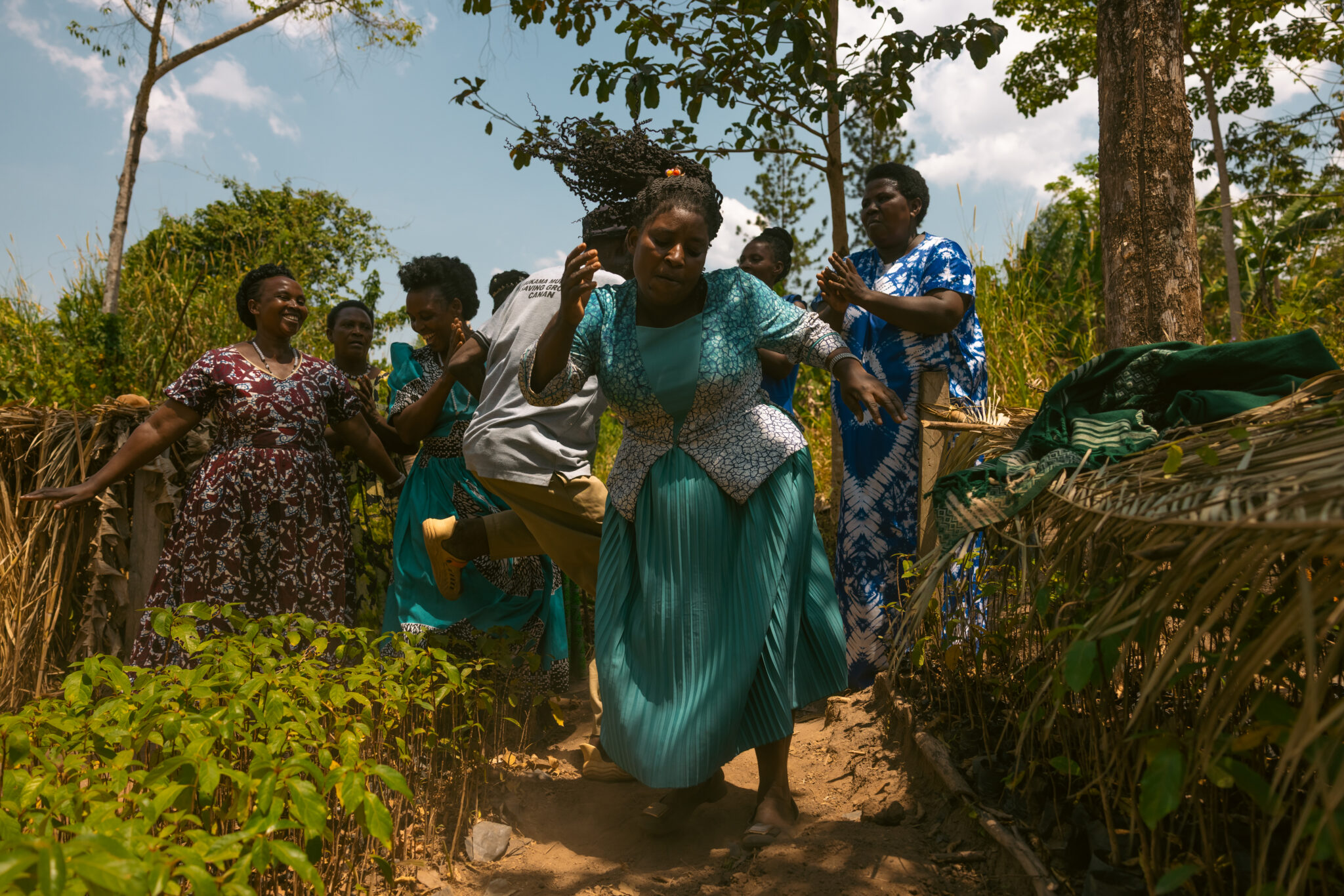
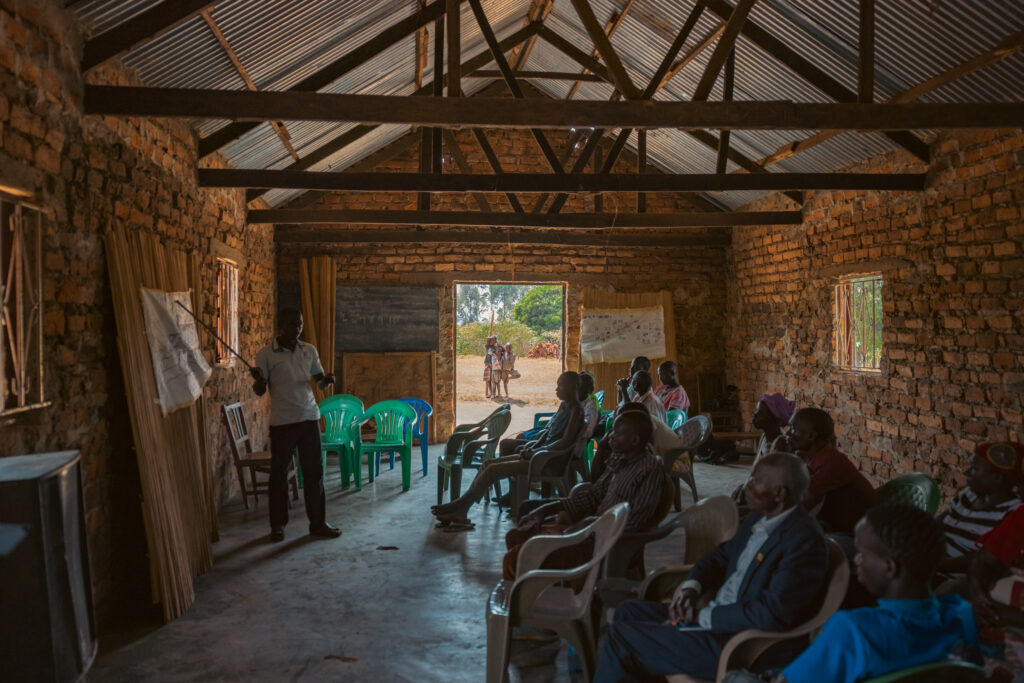
A community planning meeting · Uganda, 2025

A tree nursery · Uganda, 2025
Lead film
EcoTrust, 25 years in Uganda
A hero film, three programme films, a long-form documentary and a social layer · Uganda, 2025
EcoTrust, the Environmental Conservation Trust of Uganda, needed films that would leave funders, donors and partners sure of 25 years of work and ready to back the next ten. Its model is carbon finance: credits paid before the trees mature, with six of every ten dollars going to the people who manage the land. So the hero film leads with the farmers and lets the mechanism follow.
Each film has its own room. The hero film is for funders, donors and partners. Three programme films explain the work, one of them built to play at events. A long-form documentary is there for the hard questions, and a social layer travels. All of it came from three weeks in the field, cut and refined with EcoTrust over the following year, and one programme film grew into a six-film series for IIED across Uganda and Zambia.

Fundraising documentary · Portugal
The Bio Estrela Project
URZE, a small Portuguese charity, replanting native, fire-resistant trees in the Serra da Estrela after the 2022 fire, filmed for the nature recovery consultancy C Level. The project had a plan and no money, and the film was made to raise it: the project has since received its early-stage funding. Regional Panorama Award, CineEco 2024.

Micro-documentary · Cornwall
Newquay Orchard
A community orchard that grew into a hub for nature programmes, gardening clubs and cooking. It asked for a short film to reach more people and raise the money to keep its nature programme running, made to be shown to GPs, health professionals and decision makers across the South West.
Films that explain the work
For boards, partners, policymakers and the public: the work made clear without making it small.


On the moor · The Living Layer

Sphagnum moss · The Living Layer
Lead film
The Living Layer
Documentary · a year on Dartmoor, Exmoor, Bodmin Moor and West Penwith · for the South West Peatland Partnership
The South West Peatland Partnership is 22 organisations restoring more than 2,600 hectares of damaged peat across four moors. It needed one film that funders, its member organisations, policymakers and the public could all follow, about a landscape most of them had never thought about.
Restoration only happens between August and March, outside the nesting season, so we filmed through a winter on the moors, down to minus 14, with the Partnership’s scientists helping us show what a falling water table does. The film now carries the Partnership’s funding and public engagement work, and it was Overall Winner at the Edinburgh Conservation Film Festival 2026.
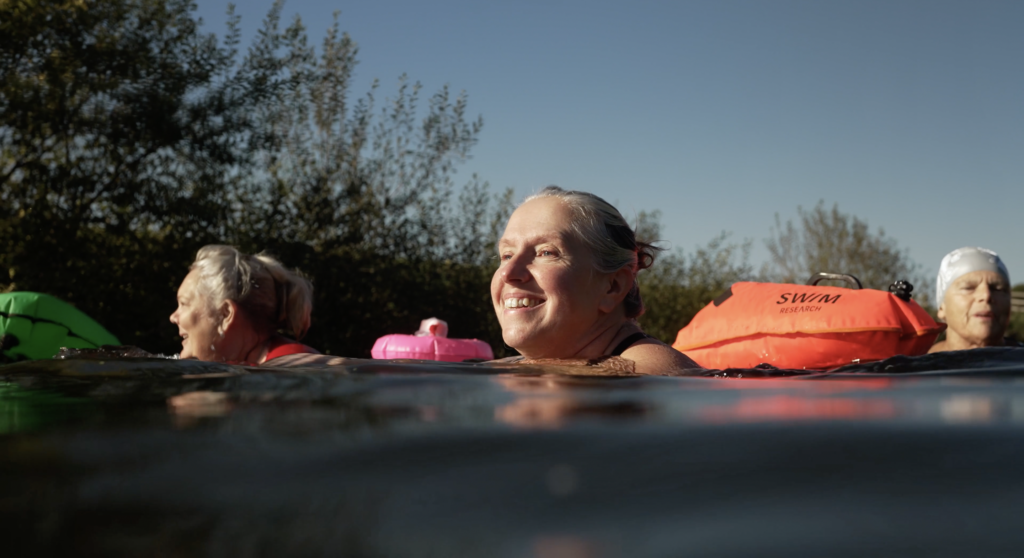
Short documentary · Somerset
Somerset Local Nature Partnership
A short film on nature prescribing: how time outdoors can sit alongside health and social care. Shot over a week with more than eight organisations, it was shown at 12 screenings for people in health, business, government and enterprise.

Charity film · North Cornwall
Buglife, B-Lines
Buglife’s North Cornwall B-Lines project joined up field margins, roadsides and meadows so pollinators can move between isolated populations. We made the film as the project closed, and Buglife has shown it at events and used it with stakeholders since.

Short documentary · Cornwall and Devon
The Woodland Trust, Sky Seeding
The Trust’s first drone-seeding trial, part of its push to triple the South West’s temperate rainforest by 2050. More than 75,000 native seeds went down in a week. One day half of them jammed in the hopper, and that stayed in the film. It tours with the Trust’s Rainforest Recovery programme.
Campaigns, events and partners
Charities, and the London agencies that run their campaigns, on days that only happen once.

At the gates · 14 October 2021

Westminster · 14 October 2021
Lead film
Surfers Against Sewage, the Ocean Emergency petition
Campaign film · Westminster and Downing Street · October 2021
In the run-up to COP26, Surfers Against Sewage took its Ocean Emergency petition to Number 10, carried by ten pupils from two of its Plastic Free Schools. We had one day in Westminster, no chance of a reshoot and a group of ten-year-olds to follow, so we kept the kit small enough to get through Downing Street’s security.
Each school filmed its own trip to Westminster, and we cut that footage in beside ours, so the film reads as the children’s campaign rather than ours. The banner at the gates said 68,397 people had signed.

Event film · Chelsea Flower Show, 2023
The Royal Entomological Society
Tom Massey’s pollinator garden for the Society, a living laboratory visitors could walk through. Bloom PR, a London ethical PR agency, brought us in after our film for Buglife.

Campaign film · Bude · for MSL
Kärcher × RNLI, Float to Live
A brand backing the RNLI’s Float to Live message with a spa day at the Bude tidal pool. One of us on camera and drone, interviews on the day, and the film edited in two days for the press.
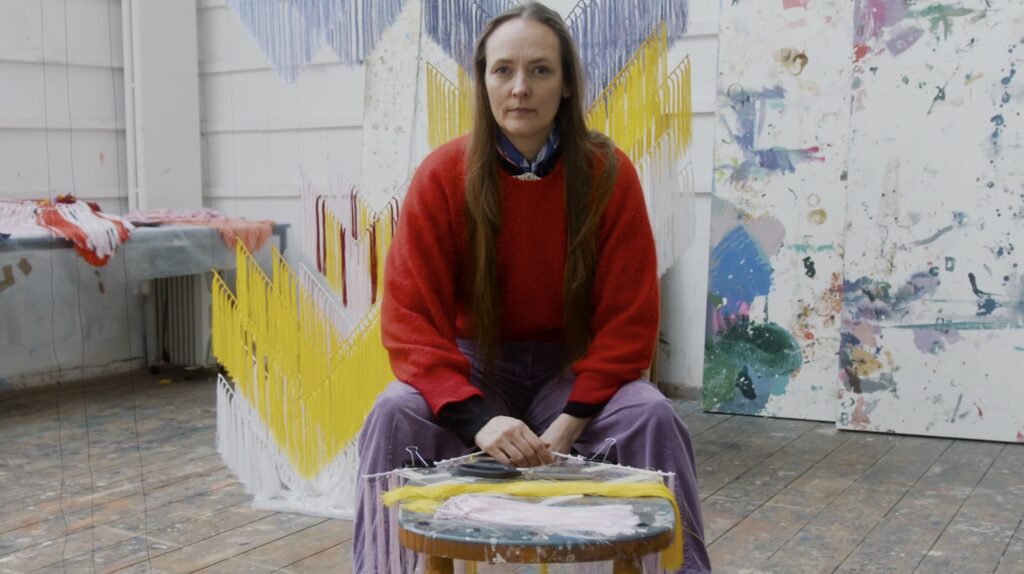
Artist profiles · Tate
Tate
Tate is a charity too. Our artist-profile series runs from Outi Pieski before her first major UK show to Ro Robertson over two days for Tate St Ives, and our Barbara Hepworth exhibition film went out to Tate members worldwide.
How we make charity films
Three decisions get made before the camera comes out, and they decide most of what the film can do.
One shoot, every job
Funders, the appeal page, the conference and social each need a different cut. We plan them in the brief, so one shoot pays for all of them: EcoTrust’s hero film, three programme films, a documentary and a social layer all came from three weeks in Uganda.
Consent first
People in charity films are often at the hardest point of the story. Consent is settled through the people who know them, before the camera comes out, and the edit never trades someone’s worst moment for a fundraising beat.
Hard subjects, made clear
Carbon credits paid before the trees mature. A water table on a moor. We work with your scientists and programme staff until we can explain it ourselves, then film it so a donor can follow it without being talked down to.
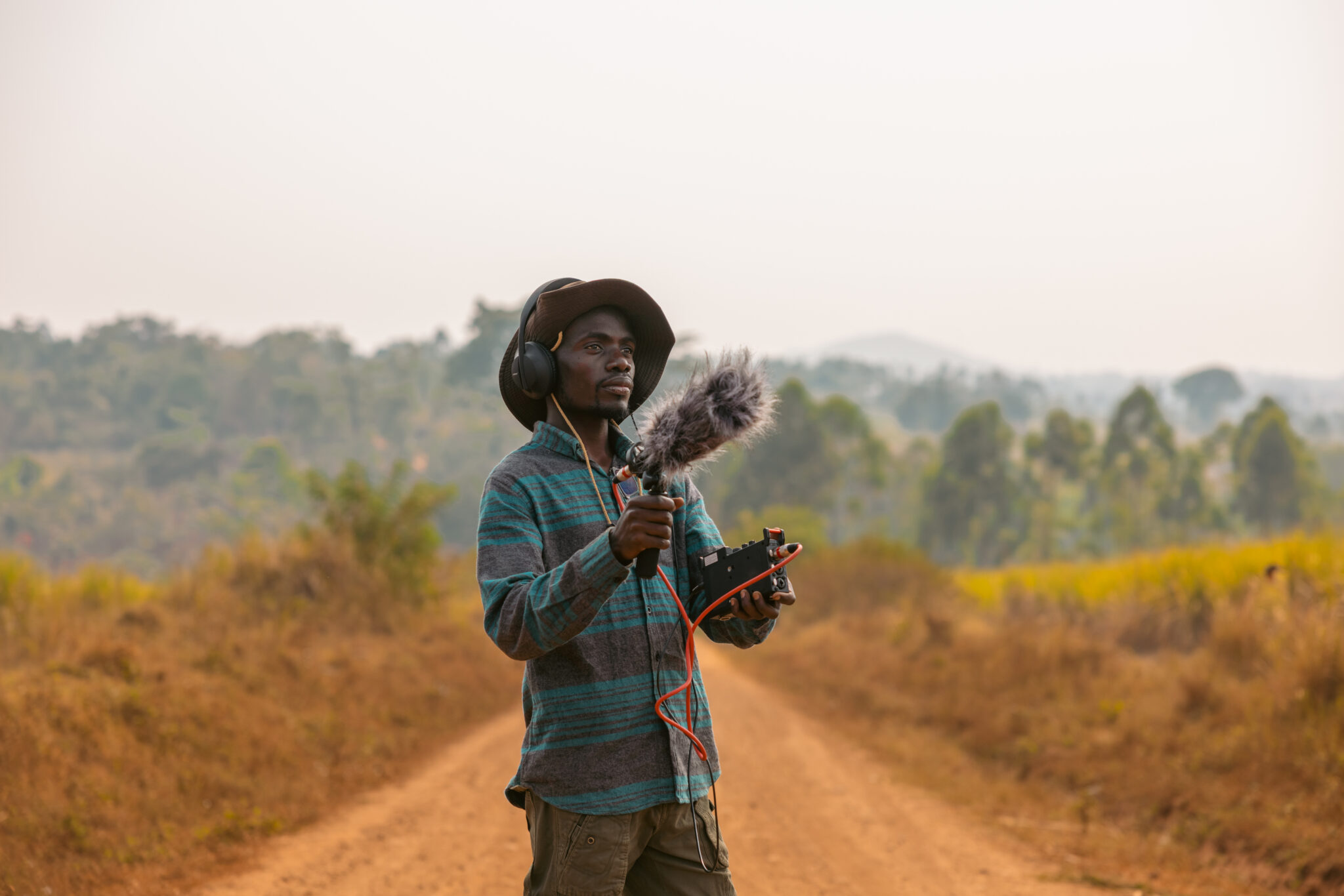
Recording sound on the road · EcoTrust, Uganda, 2025
What changes when the client is a charity
Two of London’s landowners charge charities less to film, and HMRC treats a charity’s adverts differently. Both are worth knowing before the budget is set.
Hyde Park, Regent’s Park and the other Royal Parks
The Royal Parks
Charity films come under its “other filming” rate: £650 + VAT a day for up to five people in the central parks, and £1,250 for six to ten, where a commercial shoot pays £2,530. Five working days’ notice for ten crew or fewer.
The City of London
The City of London
A £40 application fee for charity and community projects, at the City’s discretion, where a small crew usually pays £95 to £210. Seven working days for parking.
A film that runs as a paid advert
HMRC, VAT Notice 701/58
Making a charity’s advert is zero-rated when it runs on someone else’s time or space: TV, cinema, paid social, other people’s websites. Films for the charity’s own website and channels are standard-rated. The charity usually confirms it qualifies in writing.
Checked October 2026 against The Royal Parks’ rate card (January 2026), the City of London’s filming fees and HMRC’s VAT Notice 701/58. Fees change, so we check them again on every job, and your finance team has the last word on VAT. We carry £10m public liability and send our certificates with every application.
What a charity film costs
The same prices as everywhere we work. Time in the field, travel, how many films come out of one shoot and the edit move the number.
One film
£9,500to £25,000
An appeal, impact or campaign film of two to ten minutes: the treatment, a small crew, the edit, grade, sound and music, and cuts for social and events.
A suite of films, or a long-form documentary
£25,000to £100,000
A hero film with programme films and a social layer from one shoot, or a documentary of 10 to 30 minutes.
Broadcast and multi-part
£100,000and up
A broadcast-length documentary or a multi-part series, delivered to the broadcaster’s specification.
We offer charity rates, and we invest studio time, pro bono, in special projects whose stories need telling. The first call and the estimate are free.
“They really listened to what we wanted and helped us clarify our message and vision.”
“They truly went above and beyond and we couldn’t be happier with the film they produced for us.”
Where this work lives
The London service pages and the UK sector page that carry these films, with the rest of the work around them.


Questions charities ask us
What charity video production services do you offer?
All of it, run from our London HQ: the brief and research, a written treatment, consent and permits, the shoot, the edit, grade, sound and music, and the cuts for appeals, events and social. If your team already has an editor, we can shoot and hand over the rushes. If you have your own director, we’ll produce and crew for them through our film crew hire in London.
What types of charity videos do you make?
Five kinds. Appeal and fundraising films, like The Bio Estrela Project. Impact films for funders and boards, like The Living Layer for the South West Peatland Partnership. Programme films and series, like EcoTrust’s in Uganda. Campaign and event films, like Surfers Against Sewage at Downing Street. And films where a brand backs a cause, like Kärcher’s Float to Live day with the RNLI. Longer stories live on our documentary production in London page.
What charity video production experience do you have?
We’ve made films for charities since 2016. The Living Layer was Overall Winner at the Edinburgh Conservation Film Festival 2026, The Bio Estrela Project won the Regional Panorama Award at CineEco 2024, and our film following Robin Hanbury-Tenison, who founded Survival International, aired 17 times on BBC News. Clients include EcoTrust, IIED, The Woodland Trust, Buglife, Surfers Against Sewage and Tate.
How much does a charity video cost?
One film of two to ten minutes runs from £9,500 to £25,000. A suite of films from one shoot, or a documentary of 10 to 30 minutes, runs £25,000 to £100,000, and broadcast or multi-part work starts at £100,000. What moves the number is time in the field, travel, how many films come out of the shoot and the edit. We offer charity rates, and the first call and the estimate are free.
Do you offer charity rates?
Yes. We offer charity rates, and we invest studio time, pro bono, in special projects whose stories need telling. Tell us the budget you have on the first call and we’ll tell you what it can make, before anyone spends a day on a treatment. Our published prices are where the conversation starts.
Do charities pay VAT on video production?
Not always. Under HMRC’s VAT Notice 701/58, making a charity’s advert is zero-rated when the advert runs on someone else’s time or space: television, cinema, paid social or other people’s websites. A film for your own website or your own social accounts is standard-rated. The charity usually confirms it qualifies in writing, so tell us at the brief if a film will run as a paid advert, and check the final position with your finance team.
How long does it take to produce a charity video?
Most single films take four to eight weeks from the brief to delivery. Fieldwork sets its own clock: peat restoration only happens between August and March, so The Living Layer followed a winter on the moors, and EcoTrust’s films were refined over a year after three weeks in Uganda. If the date is fixed, a gala or a petition at Number 10, we plan backwards from it.
How involved can we be in the production process?
As involved as you want. You sign off the treatment and the questions before the shoot, then see a rough first cut, with no music or grade, to check the story is heading the right way before anything is polished. After that come rounds of changes. EcoTrust reviewed and refined its films with us over a year; Kärcher’s Float to Live film with the RNLI was edited in two days for the press.
How do you film people at the hardest point of a charity’s work?
Through the people who already know them. On KYN’s films in London, KYN chose and briefed every family and we never approached a resident ourselves, and that’s the consent rule we work to on any film with people at its centre. We ask questions that let people explain rather than perform, and the edit never trades someone’s worst moment for a fundraising beat.
Do fundraising films work?
When the ask is clear and the story is true. The Bio Estrela Project was made to raise money for a replanting project that had none, and it has since received its early-stage funding. Outside the charity world, our explainer for Great Western Credit Union’s first community bond ran on the campaign page, and the offer closed at more than £1.9 million against an £800,000 target. A film gives a fundraising plan something worth sharing.
What equipment do you use?
Cinema cameras, lenses, sound and lighting, sized to the place: small enough to get through Downing Street’s security for Surfers Against Sewage, tough enough to keep working at minus 14 on the moors for The Living Layer. The edit and grade run in DaVinci Resolve with our own post team, so a charity film gets the same finish as our brand work.
Do you have the necessary insurance for charity videos?
Yes. We carry £10m public liability and £10m employers’ liability, and send our certificates with every permit application. In London the landowner sets the minimum: The Royal Parks ask for £5m public liability, and TfL and Canary Wharf ask for £10m. If your charity’s own policy asks for more, tell us at the brief and we’ll check it before the shoot.
Can you film for a charity in the Royal Parks or the City of London?
Yes, and both cost charities less. The Royal Parks list charity films under their “other filming” rate, £650 + VAT a day for up to five people in the central parks, against £2,530 for a commercial shoot. The City of London charges £40 to apply for charity and community projects, at its discretion. We apply during pre-production and build each notice period into the schedule.
Do you film outside London?
Most of the time. Our charity films have taken us to Uganda, Portugal’s Serra da Estrela and four moors in the South West, and we have bases in Manchester, Bristol and Cornwall, so the crew is often already near the landscape. The producing still runs from our London HQ, so you keep the same people from the first call to delivery.
Got a charity film to make?
Send us what you’ve got: the work, who the film is for, the date it has to be ready and the budget you have. We’ll come back with a treatment outline, an estimate and a schedule, and that part costs nothing. Our team reads every brief within 2 working hours.
Or call us on 07412 543822

