Film crew hire/Crew rates
Film crew rates in the UK (2026). Every role, the card, and what a day covers.
Our day rate for every role, beside the APA/Bectu card that took effect on 1 September 2026, with how the day works, how overtime is paid and what goes on top. The card is written for commercials. It’s also the clearest benchmark the industry has, so we price every role against it, whatever the shoot. Checked October 2026.
The day
10 hours + lunch
Overtime · after 11 hours
At the APA card’s grade
Turnaround
11 hours
On top of the day rate
10% + 2%
On this page
01 Every role
Day rates for every role, beside the card
Each role links to its own page: what they do, what the day covers, how the rate sits against the card, and how to book them.
| Role | Our day rate | APA/Bectu card, 2026 |
|---|---|---|
| Production | ||
| Director | From £500 | Up to £961 |
| Producer | From £450 | £961 |
| Production manager | £504–627 | £504–627 |
| 2nd AD | £355–448 | £355–448 |
| Production assistant | £400 | £350–441 |
| Runner | £245 | Up to £245 |
| Camera | ||
| DOP | From £850 | £935–1,561 |
| Camera operator | £529–656 | £529–656 |
| Lighting camera operator | £529–656 | £529–656 (camera operator grade) |
| Videographer | £529–656 | £529–656 (camera operator grade) |
| Focus puller (1st AC) | £461–575 | £461–575 |
| Clapper loader (2nd AC) | £355–448 | £355–448 |
| Steadicam operator | From £950 | No card rate: operators price the rig in or on top |
| Gimbal operator | £529–656 | £529–656 (camera operator grade) |
| Drone operator | From £750 | No card rate: priced with the drone |
| Data and playback | ||
| DIT | £527 | Up to £527 |
| Video playback | £334–518 | £334–518 (video operator to senior) |
| Lighting and grip | ||
| Gaffer | £550 | Up to £585 |
| Spark | £457 | Up to £457 (lighting technician) |
| Grip | £526–575 | £526–575 (grip to key grip) |
| Sound | ||
| Sound recordist | £550 | £541–668 (sound mixer) |
| Hair, make-up and costume | ||
| Hair and make-up | £398 | £341–398 (make-up or hair, to chief) |
| Costume | £519–694 | £519–694 (stylist to costume designer) |
| Art department | ||
| Art director | £675–878 | £675–878 |
| Set builders | £341–512 | £341–512 (carpenter to master carpenter) |
| Post-production | ||
| Editor | From £350 | No card rate: post-production isn’t on the APA card |
Every role on its own line
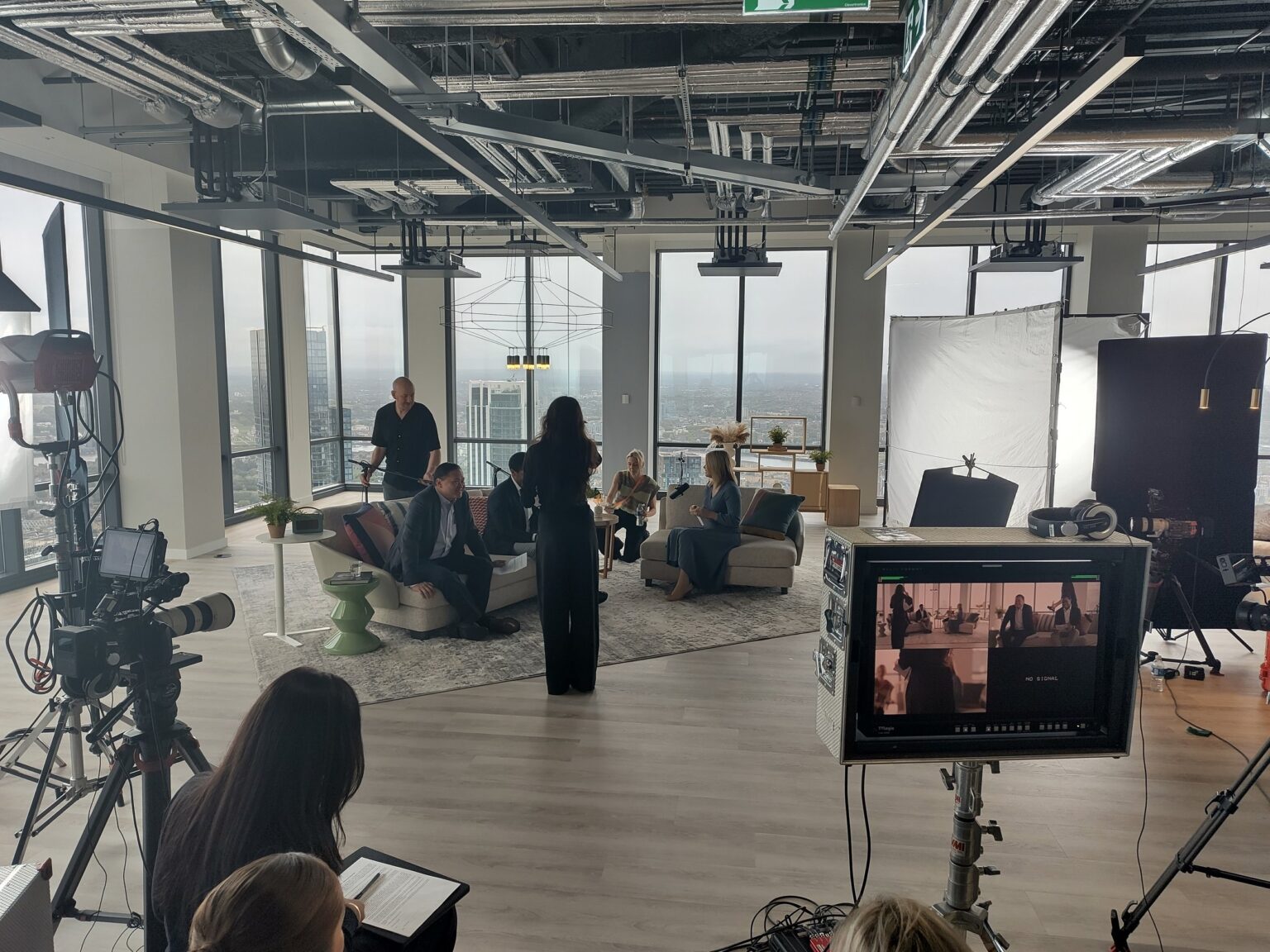
One brief, one quote, every role on it with its day rate. For Magnet Media’s three-camera podcast set at One Canada Square in October 2024, that was seven lines: a producer, a DOP, a camera operator, a gaffer with the van, a sound recordist, hair and make-up, and an art director.
02 The benchmark
What the APA/Bectu card is, and what it isn’t
Read it before you budget with it.
It’s for commercials
The Advertising Producers Association’s recommended terms for engaging crew on commercials, agreed with Bectu, which tells crew in commercials and promos to follow them as best practice.
It’s a band, not a floor
Each grade has a minimum and a maximum, and the fee agreed should sit between them (clause 1). Some grades have a ceiling only, among them the producer, 1st AD, DIT, gaffer, grips, lighting technician and runners.
It’s fixed until August 2027
The current card took effect on 1 September 2026, the last step of a three-year deal with Bectu: a 3% rise, held until at least 31 August 2027. A DOP’s maximum went from £1,516 to £1,561.
Holiday pay is in it
The rates include a payment in lieu of the crew member’s 12.07% holiday entitlement (clause 10).
Crew are paid in a week
Production companies pay crew invoices within seven days (clause 1).
The full terms: APA Recommended Terms for Engaging Crew, September 2026 (PDF), from the APA’s crew terms page.
03 The day
An 11-hour day, ten of them working
How the APA terms count a shoot day. Ours is the same length.
The day
11 hours from call: ten working hours and an hour for lunch, which isn’t paid. The hourly rate is a tenth of the day rate (clause 2.1).
Call times
A call between 7am and 11am is a standard day. Called between 5am and 7am, the hours before 7am are paid at the overtime rate. Called between 11am and 5pm, the day counts from 11am.
Twelve hours, at most
The APA’s best practice is not to schedule past 12 hours from unit call: the day plus an hour of overtime. If a longer day is planned, crew should be told when they’re booked.
Lunch
An hour, within five and a half hours of the start, with a free meal or £7.50, and £10 to each crew member if it’s late. If it hasn’t started six and a half hours after unit call, the day becomes a continuous working day: nine hours, food provided, overtime after nine.
Turnaround
At least 11 hours between wrap and the next call. It can be cut to ten, never less, with the lost hour paid at the overtime rate (clause 5).
Our day
The same 11 hours, and at least 11 hours between wrap and the next call, on every crew we book across the UK. How we pay overtime
04 Other days
Weekends, nights, prep and travel
Not every day is a weekday shoot, and the APA terms pay each kind differently.
| Day | Length | How it’s paid |
|---|---|---|
| Saturday shoot | A 10-hour minimum call | One and a half times the hourly rate for every hour; triple time after midnight |
| Sunday or bank holiday shoot | A 10-hour minimum call | Double the hourly rate for every hour; triple time after midnight |
| Night shoot: a call between 5pm and 5am | A 10-hour minimum call | Double the hourly rate for every hour, any day of the week, with no overtime or triple time on top |
| Prep day | 8 or 10 hours | The hourly rate; overtime after 10 hours |
| Recce, build or strike day | 8 hours | The hourly rate; overtime after 8 hours |
| Pre-light day | 8 hours plus lunch | The hourly rate; overtime after 9 hours |
| Rest day, held on location | The day | The day rate, flat |
| Travel day, no filming | A 5-hour minimum | The hourly rate for the hours travelled |
No half days
There’s no half-day rate anywhere in the APA terms. A short shoot day is a day.
Travel on a shoot day
Paid at the hourly rate, less the first hour each way, and only when travel and work together come to 11 hours or more.
Mileage
50p a mile in the crew member’s own car: outside the M25, measured from W1F 9SE (the APA’s Soho office), for a London production company; beyond a 20-mile radius for one based elsewhere. Studio days pay none.
Flights
Over four hours, no filming that day. Over eight, none until 24 hours after landing.
How we quote travel time, mileage, vans and hotels, each on its own line: travel, hotels and vans for a UK shoot.
05 Overtime
Overtime: our rule, and the card’s
We pay overtime at the card’s grade for every role, and agree it with you before it happens.
Our rule
Every crew we book across the UK
Overtime starts
After 11 hours: ten working, one for lunch
Overtime is paid at
The card’s grade for the role, on the hourly rate (a tenth of the day rate), agreed with you first
Agreed
With you, before it happens
Turnaround
At least 11 hours
The APA card
Commercials, from 1 September 2026
Overtime starts
After 11 hours from call
Overtime is paid at
1.5×, 1.25× or 1× the hourly rate (a tenth of the day rate), by grade
Agreed
Crew told when they’re booked if a day is planned past 12 hours
Turnaround
At least 11 hours; cut to 10 only with that hour paid as overtime
The card grades overtime by day rate, and so do we:
| On the card | Day rate | Overtime an hour | Grades in it |
|---|---|---|---|
| Grade I | £458 or less | 1.5× the hourly rate | Clapper loader, 2nd AD, lighting technician, make-up, hairdresser, wardrobe, carpenter, video operator |
| Grade II | £459 to £696 | 1.25× | Camera operator, focus puller, DIT, grips, gaffer, sound mixer, chief make-up, costume designer, stylist |
| Grade III | £697 or more | 1× | DOP, 1st AD, art director |
| PMs, PAs and runners | Any | Single time on weekday shoot days; 1.5× on Saturdays; 2× on Sundays, bank holidays and nights | Production manager, production assistant, runner |
| Producer and director | A ceiling only | No overtime grade | Producer, director |
After midnight
On the card, overtime between midnight and 5am is triple the hourly rate, and stays triple until wrap.
By the minute
The card counts overtime by the minute, rounded up to the half hour: ten minutes over is paid as 30.
06 Which card
Commercials, corporate, TV and documentary
The APA terms are written for commercials. Other work has its own agreement, or none.
Commercials and promos
The APA terms, which Bectu tells crew in commercials to follow.
Corporate, factual and documentary
No agreement covers them. The nearest published figure is Bectu’s 2026 sound rate card, with one column for factual, documentary, news and corporate work: a sound recordist at £50 an hour or £500 for ten hours, base to base with an hour for lunch, and overtime at time and a half.
Scripted TV and film
Bectu’s agreements: the Pact/Bectu Scripted TV Agreement for crew on UK drama and comedy, and the Major Motion Picture Agreement for films with budgets of £30m or more.
Unscripted TV
Bectu publishes guidance, not an agreement: weekly baseline rates for crew to negotiate up from.

Brand films, corporate films and interview days fall between them, so we price every role against the APA card. Check which day a quote assumes: the corporate sound rate is ten hours base to base, lunch included.
07 Kit
Labour and kit, on separate lines
A day rate pays for the person. Kit is a separate charge, and Bectu advises crew to keep it that way.
The card sets no kit fees
The APA terms touch kit twice: collecting equipment for the production counts as working time, base to base, and since 2026 that doesn’t apply to kit hired from the crew member themselves.
Bectu’s camera branch
Its rates are labour only. It advises crew to keep the day rate apart from equipment hire and box money (a fee for their tool kit) and, if they do a deal, to keep the labour rate on the invoice and discount the kit.
On our quotes
The crew member’s own kit is a line of its own beside their day rate, and kit we hire in from a rental house is another. Both carry the same 10% booking fee and 2% insurance as the crew.
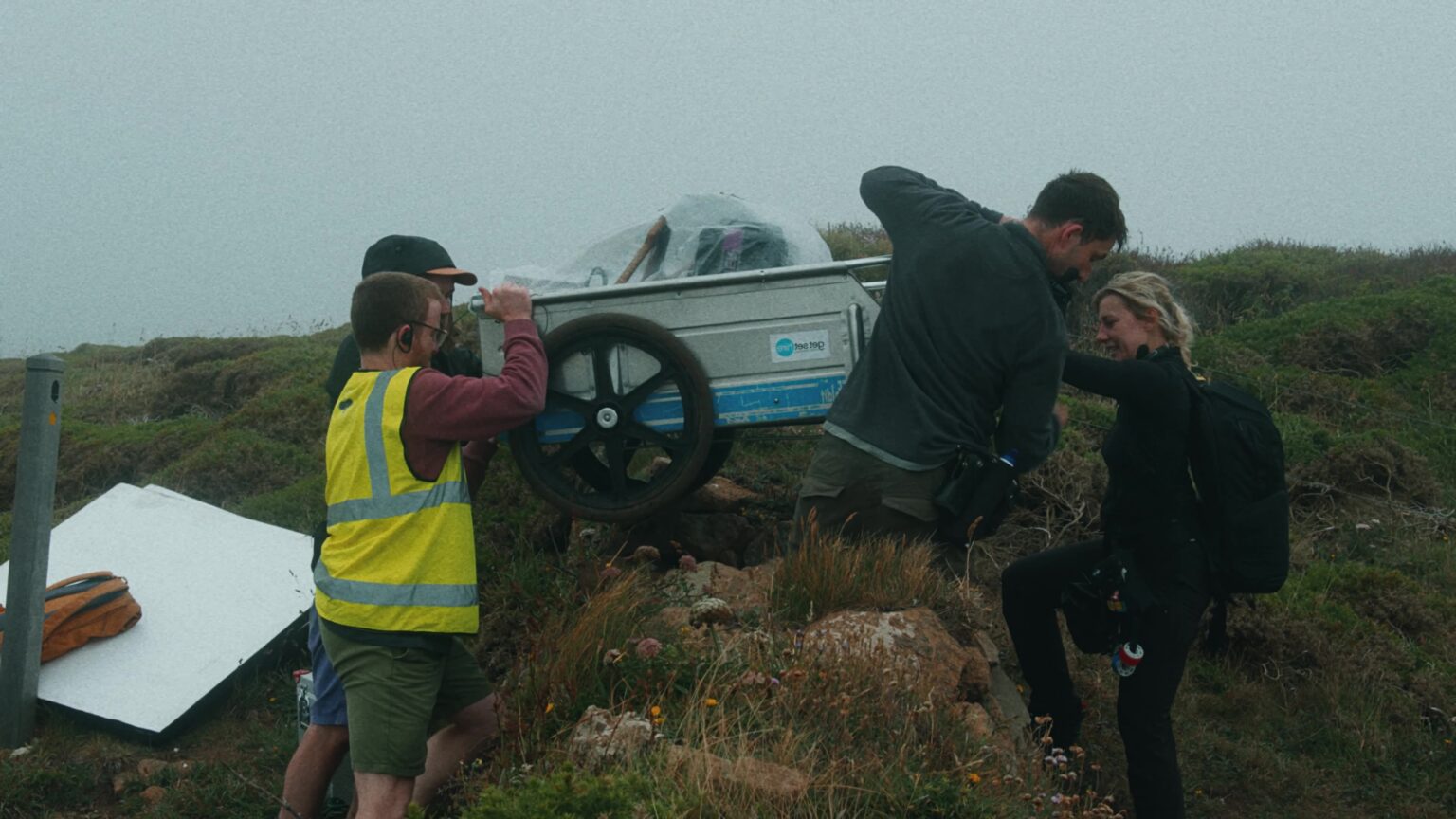
Rental houses, wet hire and dry hire: film equipment hire in the UK. Bringing kit in from abroad: importing film equipment into the UK.
08 Paying crew
Paying crew: status, IR35 and VAT
Who’s self-employed, who checks, and when VAT goes on. A guide to HMRC’s pages, not tax advice.
HMRC’s list
HMRC lists the behind-camera roles it normally treats as self-employed (ESM4120), with conditions: from DOPs, camera assistants and ADs to gaffers, grips, sound recordists, editors, hair and make-up, production managers, producers and directors.
Two tests
A listed role is self-employed if it meets either. One is about the role: for a camera operator, providing substantial kit without being paid extra for it. The other is being engaged on a specific production, a commercial included, for a finite period (ESM4115).
Not on the list
Runners, production assistants and 3rd ADs. That doesn’t make them employees: HMRC says to apply its general rules, with its CEST tool. For crew it decides are employed, it allows NI-only deductions on engagements of seven days or less (ESM4116).
Kit and status
Crew-supplied kit doesn’t count towards self-employment if the engager underwrites it with a higher rate, a box payment or a hire agreement, and tools of the trade don’t count at all (ESM4117).
IR35
When a crew member works through their own limited company, the off-payroll rules ask whether they’d be an employee if they were engaged directly. In most cases the client decides, and sets out why in a status determination statement. If the client is a small business outside the public sector, the crew member’s own company decides. GOV.UK’s guide to IR35.
VAT
Crew register for VAT once their taxable turnover goes over £90,000 in 12 months, then charge it, at 20% on most work (GOV.UK).
When you book through us
On a crew hire, we book and pay the crew, and you pay us: half by card when you book, half when the final rushes arrive.
09 Cancellation
If the shoot is cancelled
The APA terms set a sliding scale for crew, counted in days’ notice.
| Notice before the engagement | Crew are paid |
|---|---|
| 7 days or more | Nothing |
| 6 to 4 days | Half the agreed fee |
| 3 to 2 days | Three-quarters of it |
| The day before | All of it |
Short bookings
On an engagement of three days or less, the scale applies to the whole booking. Longer ones are worked out day by day, and build, recce, pre-light, shoot and strike days all count.
Crew already working
Crew who started before the cancellation (an art director or a production manager, say) are paid for the work done, plus reasonable compensation.
Force majeure
Crew are paid for work done and nothing more, but only after an event that isn’t reasonably insurable, such as war, terrorism, riot or government action.
Weather
It isn’t on the force majeure list, and there’s no weather-day clause. The nearest is the rest day: crew held on location while filming isn’t happening are paid the day rate, flat.
Not 48 hours
“Cancelled within 48 hours, paid in full” isn’t the APA scale: two days’ notice is three-quarters.
Ours
Our cancellation terms are on every quote, before anything is booked. Moving the date? Tell us as soon as you know.
10 Booking
Two ways to book, and a worked example
One question sets the price: who’s the producer of record?
Crew hire
You run the shoot.
On top
10% booking fee and 2% insurance, on everything we book for you: crew, kit and travel
Insurance
What the 2% insures: employers’ liability for every crew member we book, and the kit we hire in for you. Nothing else on the shoot. A large kit rental may need extra insurance, as its own line on the quote.
Best if
Your own producer will be on set
Full production
We’re the producer of record.
On top
15% production fee and 5% insurance and contingency, on the whole production budget
Insurance
What the 5% pays for: our production insurance across the whole shoot, £10m public liability included, and the contingency.
Best if
You’re flying in without a UK producer
Not sure which you need? If your own producer or director will run the day, it’s crew hire. If you want us to take the production on, it’s a full production quote. How a UK production service company works.
| A DOP and a sound recordist, one day | DOP | Sound recordist |
|---|---|---|
| Day rate, 11 hours | £850 | £550 |
| Booking fee, 10% | £85 | £55 |
| Insurance, 2% | £17 | £11 |
| Each | £952 | £616 |
Both, for one day: £1,568 + VAT, before kit and travel. Kit is their own or hired in, on its own line at the same 10% + 2%. If the day runs long, overtime is paid at each role’s grade on the card, agreed with you first.
New York
In New York we set every role against union scale instead, and quote in dollars. Crew rates in New York
Want a crew priced?
Send the dates, the place and the roles. We’ll come back with names and the full price, every line on it, before anything is booked. Our team reads every brief within 2 working hours. Or call us on 07412 543822.
Quick contact form
11 Questions
Crew rates in the UK: questions
How much does it cost to hire a film crew in the UK?
Our day rate for every role is in the table above, paid to the crew member in full: a DOP is from £850 for an 11-hour day and a sound recordist £550. We add a 10% booking fee and 2% insurance, so the two for a day come to £1,568 + VAT, before kit and travel.
What is the APA/Bectu rate card?
The Advertising Producers Association’s recommended terms for crew on commercials, agreed with Bectu: a day-rate band for each grade, and rules for the day, overtime, travel and cancellation. The current card runs to at least 31 August 2027.
How long is a film crew day in the UK?
On the APA terms, 11 hours from call: ten working hours and an unpaid hour for lunch. Ours is the same, with at least 11 hours between wrap and the next call. Bectu’s corporate sound rate is ten hours base to base, lunch included, so check which day a quote assumes.
How is overtime paid for film crew?
On every crew we book, at the APA card’s grade on the hourly rate (a tenth of the day rate) once the 11-hour day is done, agreed with you first: 1.5× for a day rate up to £458, 1.25× from £459 to £696, and single time from £697.
What happens if we cancel a shoot?
On the APA scale, a week’s notice or more costs nothing, six to four days half the fee, three to two days three-quarters, and the day before all of it. Our own cancellation terms are on every quote.
Are film crew self-employed?
HMRC lists the behind-camera roles it normally treats as self-employed (ESM4120), from DOPs to sound recordists, if the role’s own test is met or the job is a specific production for a finite period. Runners and production assistants aren’t listed: HMRC points to its CEST tool.
Does a crew day rate include kit?
No. The day rate pays for the person, and Bectu’s camera branch advises keeping kit on its own line. On our quotes the crew’s own kit and anything we hire in each have a line, with the same 10% booking fee and 2% insurance.
What does the insurance on a crew booking cover?
Two things. Employers’ liability for every crew member we book, up to £10m, and insurance on the kit we hire in for you. That’s what the 2% pays for. A large kit rental may need extra insurance, as its own line on the quote. The 2% doesn’t insure the rest of the shoot: public liability, the location, your own kit and anything you book yourself stay with you, because you’re the producer of record. If you’d rather we were, it’s quoted as a full production, and our insurance covers the whole shoot, public liability included.
Around the crew
More for UK shoots
02
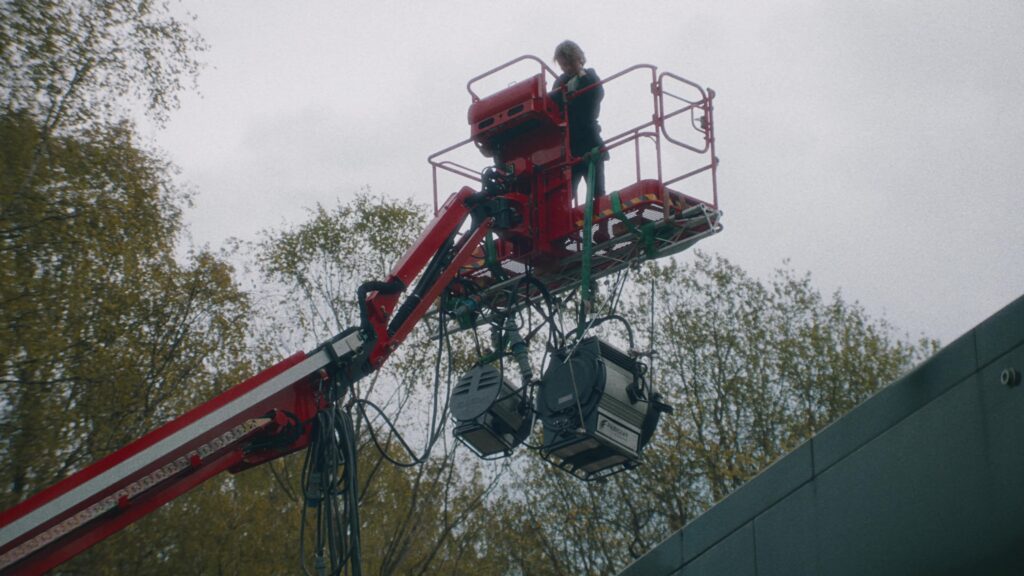
Insurance
Employers’ and public liability, kit cover, who asks for what, and how a shoot ends up uninsured.
03
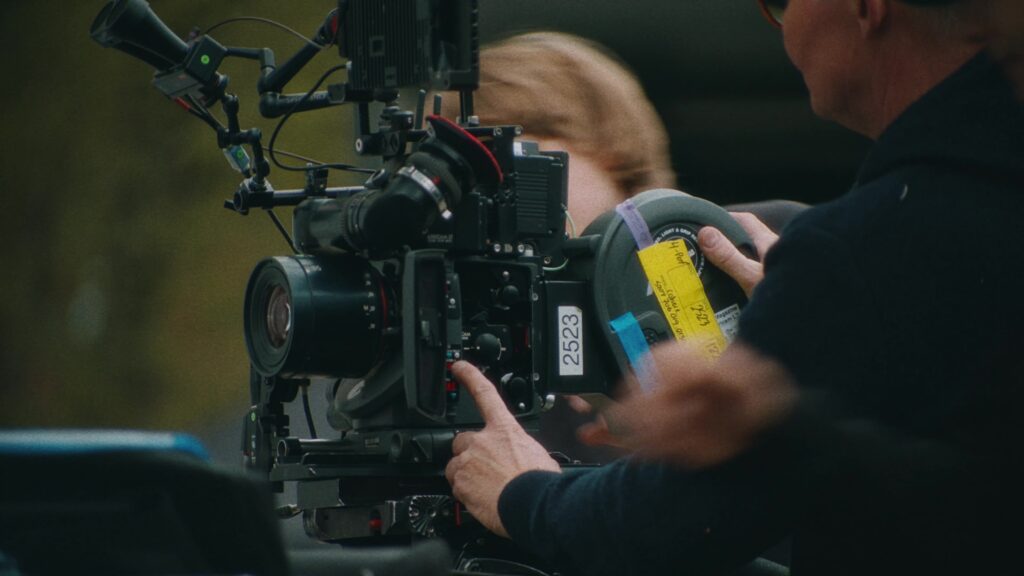
Kit and equipment hire
Rental houses across the UK, wet hire and dry hire, and the crew’s own kit.
04
Locations and permits
Film offices and councils, landowners, railways, drones and roads, nation by nation.
05
Travel, hotels and vans
Travel days and mileage, vans and licences, clean air zones, trains and hotels.