

Film crew hire/Oxford/Sound recordist
Hire a sound recordist in Oxford. A sound recordist mics up the people speaking and records clean sound on your shoot.
People book a sound recordist in Oxford for college halls, labs at the Science Park and Harwell, and shoots on the street. They mic everyone who speaks, hold the boom, deal with the echo in old halls and chapels, and hand over sound the edit doesn’t have to rescue. Our sound recordist day rate is £550, and the recordist gets all of it.
- 54 five-star Google reviews
- 2 hrs for our team to read your brief, in working hours
- £10m employers’ liability on every crew member we book
- 2,800+ freelance crew on our books, across the UK

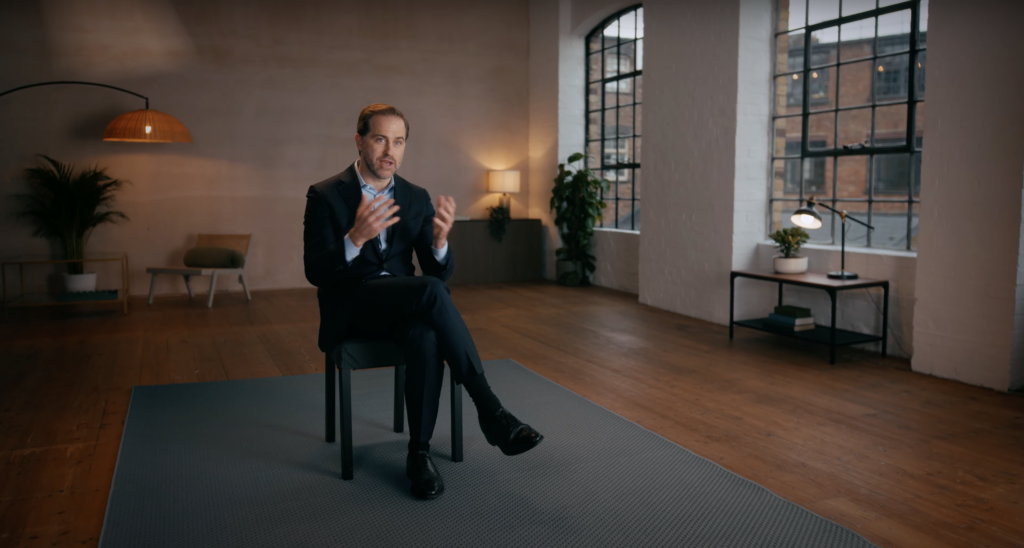
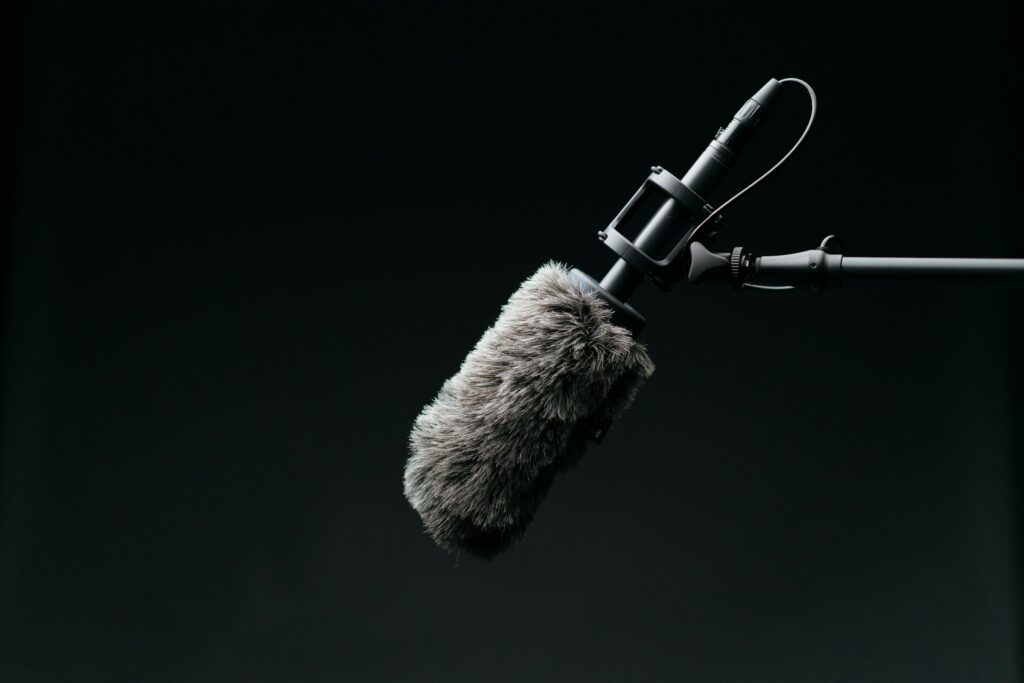
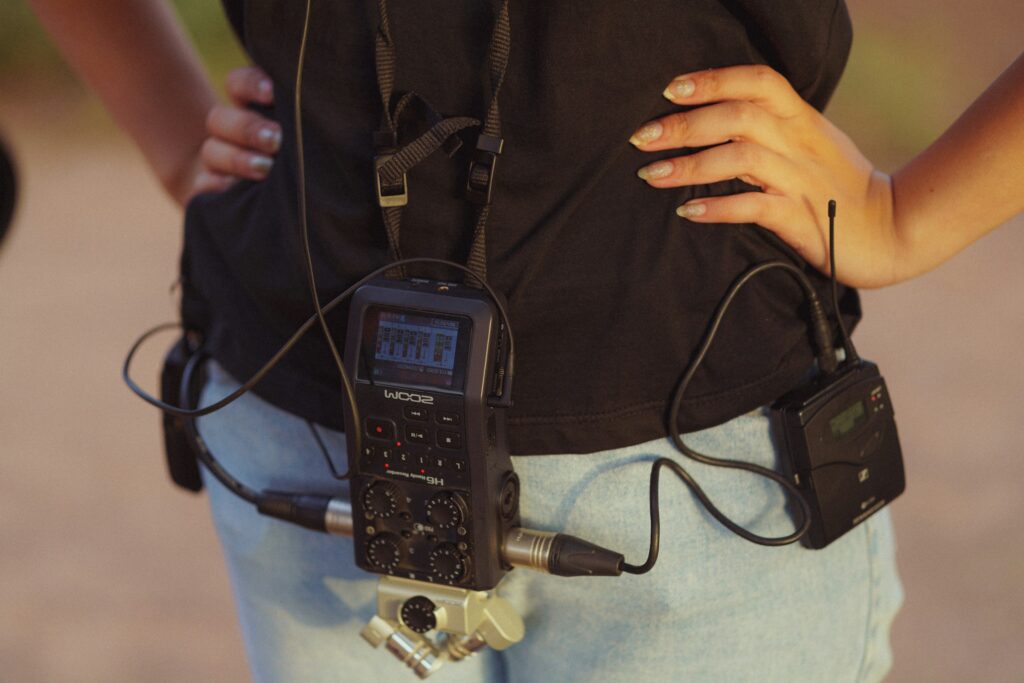

Photos: Here Now Films, Keagan Henman, Hassan OUAJBIR and James Wood
The role
What a sound recordist does on your shoot
A sound recordist, or sound mixer, records everything you hear in the film, including the interviews, the dialogue and the sound of the room. They place radio mics on the people speaking, boom from above, mix and record it all, and listen to every take in headphones. That way a rustle or a passing train gets caught on the day, while there’s still time to go again.
Picture problems can often be fixed in the grade. Bad sound usually means doing it again, or living with it, so a recordist is the first person we add to a camera operator. We book a sound recordist who lives in or near Oxford first. If nobody local is free, or the shoot needs more people, we bring crew from London. We add the travel to the quote before anything is booked. College halls and chapels echo, so the recordist checks the room before the day and brings blankets to deaden it.
- Every voice is clean. Radio mics are hidden on clothes, and a boom picks up the natural sound of the room.
- The recordist deals with noise. They get the air conditioning switched off, fridges unplugged and doors closed, and they hold takes for trains and sirens.
- The sound is backed up twice. It’s recorded on two cards, with timecode matched to the cameras.
- Mics are fitted with care. The recordist explains each mic to the contributor first, and the person fitting it is someone they’re comfortable with.
What’s included
What the day rate covers
In the day rate
- An 11-hour day, including an hour for lunch
- Radio mics on everyone speaking
- Boom for the room and for movement
- Mixing, recording and monitoring every take
- Timecode synced to the cameras
- Sound files and the sound report at wrap
On top, each on its own line
- Our 10% booking fee and 2% insurance, on the whole quote
- Their sound kit, at a day rate on its own line
- A boom operator, for drama or a big cast
- An extra room or unit to keep things quiet, if the building needs it
- Travel from London or outside Oxford, and mileage, parking and any Zero Emission Zone charge where the day needs them, at cost
Read how our rates work and the two ways to book in crew rates in Oxford.
Two ways to book
Crew hire or full production
The price depends on who is the producer of record. That’s the company responsible for the shoot. You can book a recordist for your own shoot, or ask us to run the whole production.
Crew hire
You run the shoot.
10% + 2% booking fee and insurance on everything we book for you, including crew, kit and travel.
We do
- Find, book and brief the crew, and pay them
- Book kit, travel and hotels too, if you want them
- Send the full price before anything is booked
- One person to call all day
- Employers’ liability for the crew we book, and insurance on kit we hire in
You do
- Run the shoot, or your producer does
- The plan, the schedule and the call sheet
- The location, its permission and its public liability
- You’re the producer of record, so the production is your responsibility
The 2% covers employers’ liability for every crew member we book and the kit we hire in for you. It doesn’t cover anything else on the shoot. A large kit rental may need extra insurance, which goes on the quote as its own line.
Full production
We’re the producer of record.
15% + 5% production fee, plus insurance and contingency, on the whole production budget. We quote it as a production.
We do
- Our producer plans it with you and runs the day
- Locations, permits, kit, studio, travel and hotels, booked and paid in our name
- Insurance for the whole shoot, public liability included, plus the risk assessment and the call sheet
- One contract and one invoice, so overseas teams need no UK company
You do
- The creative calls
- Signing off the plan and the budget
The 5% pays for our production insurance across the whole shoot, including £10m public liability, and the contingency.
If your own producer or director will run the day, book crew hire. If you want us to run the production, ask for a full production quote.
On the day
An example day with a sound recordist
Interviews with three people in a college hall, then B-roll and atmos on the High. The times are an example. The call sheet sets the real ones.
- 08:00 Listen to the room The recordist listens to the hall, the heating, the kitchen and the quad outside. Stone and panelled halls echo, so they choose where the chair goes and hang blankets out of shot. They work out what can be switched off, booked out or waited for, and what can’t.
- 08:30 Set up The recorder and receivers go on the cart, and the timecode is jammed to both cameras.
- 09:30 First contributor The recordist fits a radio mic under a collar and holds a boom just out of shot, with a sound check while the producer chats.
- 10:15 A hold A group walks through the quad outside, so two answers are asked again.
- 13:00 Lunch Lunch is an hour. The recordist changes the batteries and backs up the files.
- 14:00 Room tone and atmos The recordist records a minute of the room for the edit. Then the crew walk to the High for B-roll. Oxfordshire County Council had 15 working days’ notice, the least it asks for a small crew. The boom goes in a blimp with a windshield, and the recordist holds takes for buses.
- 18:00 Wrap The recordist collects the mics and hands over the files and the sound report.
We checked this in November 2026. Fees and rules change, and this page isn’t the official source. For the latest, check with Oxfordshire County Council.
Types
Types of sound set-up we book
The kit and the crew change with the number of voices, how much they move, and what the place sounds like.
Interview kit Two radio mics and a boom £550 a day + kit
The kit is a recorder, two or three radio mics, a boom and headphones. That’s enough for most interviews and corporate films.
Good for interviews, testimonials and anyone talking to camera.
Multi-voice and conferences Four to eight radio mics £550 a day + kit
This set-up has more channels and more radio mics, and often takes a feed from the venue’s desk. At a college venue or a hotel conference room, we agree the desk feed with the event team before the day.
Good for panels, podcasts and conferences with several speakers.
Documentary and run-and-gun Light, mobile, on the move £550 a day + kit
The recordist carries a bag rig with radio mics and a boom, and follows the action and the conversation.
Good for branded documentaries and filming people as they work.
Sound mixer and boom operator Drama and adverts Quoted on the brief
A mixer works at the cart and a boom operator on the floor, for dialogue scenes with movement.
Good for drama, adverts and anything with a script.
Sound to camera No recordist Not recommended
The mics plug straight into the camera, and nobody listens to the sound as it records. Problems often go unnoticed until the edit.
Good for a quick vox pop. It’s risky for anything you can’t do again.
What it’s for
What people book a sound recordist for in Oxford
Founder films for spin-outs and biotech
Spin-outs and biotech companies film at the Oxford Science Park, Begbroke and Harwell Campus. The recordist checks each lab and office for the hum of fridges, fans and air conditioning before the interviews start.
Conferences and events at college venues
Crews film the talks and record interviews between the sessions. The recordist runs several mics, takes a feed from the venue’s desk and keeps a backup of both. Keble is one of the colleges that takes location filming.
University and research films
Researchers and students are interviewed in labs, lecture theatres and college rooms, often between lectures. Start with the University’s filming coordinator or the college.
Brand films and adverts on the street
Brands shoot on Broad Street, the High and the Covered Market. The recordist plans for traffic, bikes and crowds, and records the atmos for the edit. Oxfordshire County Council handles filming on streets and pavements.
Heritage locations out of town
Crews film at Blenheim Palace at Woodstock and on the edge of the Cotswolds, with the owner’s permission. Outdoors, the recordist brings wind protection for the boom and records the atmos for the edit.
Recent work
Sound on our jobs, in London and Oxford

Full production · Hackney Road, London · November 2024
Two floors booked for one quiet room
For AlTi Tiedemann Global we interviewed three senior staff in HIDE, the top-floor studio at JJ Studios (now JJ Spaces) on Hackney Road. After the recce we booked LOFT, the floor below, as well, so nothing underneath would reach the mics. A location sound recordist recorded the day. We booked sound for AlTi again at Many Rooms in Battersea in March 2026, with the kit on its own line.
Crew hire · Portsmouth, London and Oxford · Nov to Dec 2023
A sound recordist for three days of interviews
Swanson Studios booked us for three days of interviews for a medical robotics company in Portsmouth, London and Oxford. We supplied the PA, gaffer, hair and make-up artist, DIT and sound recordist.
Before you book
Things to know
The day
- The day is 11 hours, including an hour for lunch.
- Overtime is paid at card rates, and we agree it with you before it happens.
The location
- Tell us what’s nearby, such as the railway, a main road, building work or the unit next door.
- We’ll ask the location to switch off what can be switched off before the day. At a college venue, we agree the room, the power and any desk feed with the college in advance.
- Filming on streets and pavements in Oxford goes through Oxfordshire County Council. Each college decides on its own buildings, and the University’s filming coordinator handles University buildings. We checked this in November 2026. Fees and rules change, and this page isn’t the official source. For the latest, check with Oxfordshire County Council and Oxford City Council.
Paying and changes
- You pay nothing until you confirm the recordist.
- We take 50% by card when you book and 50% when you receive the final rushes.
- The quote shows every line, including the day rate, booking fee, kit and travel.
- Cancellation terms are on every quote.
What our insurance covers
- Our insurance covers employers’ liability for the recordist we book, up to £10m.
- Kit we hire in for you is insured. A large kit rental may need extra insurance, as its own line on the quote.
- On a crew hire, it doesn’t cover anything else. Public liability, the location and your own kit stay with you, and your venue will want to see your certificate. When we’re the producer of record, our policy covers the shoot.
- Venues usually ask to see it. Oxfordshire County Council, for example, asks for at least £10m public liability for filming on streets and pavements. We checked this in November 2026. Fees and rules change, and this page isn’t the official source. For the latest, check with Oxfordshire County Council.
£550 a day
APA/Bectu card benchmark (sound mixer): £541–668 a day.
| Day rate, 11 hours | £550 |
| Booking fee, 10% | £55 |
| Insurance, 2% | £11 |
| One day, before kit and travel | £616 + VAT |
The 2% covers employers’ liability for the recordist we book and the kit we hire in. What it covers
You won’t pay anything until you confirm the recordist.
- 50% by card at booking, 50% on the final rushes
- Our team reads every brief within 2 working hours
- Every line on the quote before anything is booked
Or call us on 07412 543822.
Reviews
What clients say about our crews
These reviews come from our Google Business Profile.

Book a sound recordist in Oxford.
Tell us how many people are speaking, where, and what the place sounds like: a railway, a road, a busy hall. Our team reads every brief within 2 working hours. Or call us on 07412 543822.
Check availability
The whole crew
Every crew role we book in Oxford
Send one brief and we send one quote, with every role on its own line. These are our day rates in Oxford, and each crew member gets their full rate:
Production 06
- Director From £500
- Producer From £450
- Production manager £504–627
- 2nd AD £355–448
- Production assistant £400
- Runner £245
Camera 07
- DOP From £850
- Camera operator £529–656
- Focus puller £461–575
- Clapper loader £355–448
- Steadicam operator From £950
- Gimbal operator £529–656
- Drone operator From £750
Data and playback 02
- DIT £527
- Video playback £334–518
Sound 01
- Sound recordist This page £550
Hair, make-up and costume 02
- Hair and make-up £398
- Costume £519–694
Art department 02
- Art director £675–878
- Set builders £341–512
Post-production 01
- Editor From £350
See how our rates work in crew rates in Oxford, or start from one of our crew set-ups in Oxford.
Production support
Everything around the crew
Sound starts with the location. The pages below cover locations, permits and the rest of an Oxford shoot.
01
Kit rental
Where to hire camera, lighting and sound kit for an Oxford shoot, and when the crew bring their own.

02
Locations and permits
The county council for streets, the colleges and the University, the Bodleian and the drone rules.
03
Studios and set builds
Studios at Didcot and south of Reading for set builds, and college rooms hired by the day for interviews.

04
Props and wardrobe
Where props and costume come from, and the stylists and hair and make-up artists we book.

Questions
Questions about hiring a sound recordist in Oxford
How much does a sound recordist cost in Oxford?
Our sound recordists are paid £550 for an 11-hour day, including an hour for lunch, and the recordist gets all of it. The APA/Bectu card for a sound mixer is £541–668. We add our 10% booking fee and 2% insurance, so one day comes to £616 + VAT. Their sound kit goes on the quote as its own line.
What does the insurance on a crew booking cover?
It covers two things. The first is employers’ liability for every crew member we book, up to £10m. The second is the kit we hire in for you. That’s what the 2% pays for. A large kit rental may need extra insurance, which goes on the quote as its own line. On a crew hire, you’re the producer of record, so public liability, the location, your own kit and anything you book yourself stay with you. If you want us to be the producer of record, we quote it as a full production, and our insurance covers the whole shoot.
Are your sound recordists from Oxford?
We book recordists who live in or near Oxford first. If the brief or the date needs someone else, we book a recordist from London. The fastest trains from Paddington take 52 minutes. We add the travel to the quote before anything is booked. Our own base is London, at 124 City Road, and we have bases in Manchester, Bristol and Cornwall. Check with GWR for the latest train times.
Do your recordists bring their own kit?
Yes. They bring a recorder, radio mics, a boom and headphones, priced at a day rate on its own line. For more channels or specialist radio mics, we hire from London kit houses with the same 10% + 2%.
How many radio mics do I need?
You need one for each person speaking at the same time, and a spare. For a panel of four and a host, that’s six.
Can you record clean sound in an Oxford college hall or chapel?
Yes. College halls and chapels echo, so the recordist checks the room before the day, places the chair away from bare walls and hangs blankets out of shot. Radio mics close to each speaker help too. Each college decides on filming in its own buildings, and most colleges want at least two weeks’ notice. Check with the college for the latest.
Can you record on an Oxford street?
Yes, with permission. Oxfordshire County Council handles filming on streets and pavements. A small crew needs at least 15 working days’ notice, or 30 on listed streets in the centre such as Broad Street and Turl Street. The recordist plans for traffic and bikes, holds takes for buses and records the atmos for the edit. Check with Oxfordshire County Council for the latest.
How far ahead should I book a sound recordist in Oxford?
Our team reads every brief within 2 working hours. Good recordists get booked first, so the earlier the better. The location often sets the date. The county council needs at least 15 working days’ notice for a small crew on the street, or 30 on listed streets in the centre, and a road closure needs at least 12 weeks. Check with Oxfordshire County Council for the latest.